
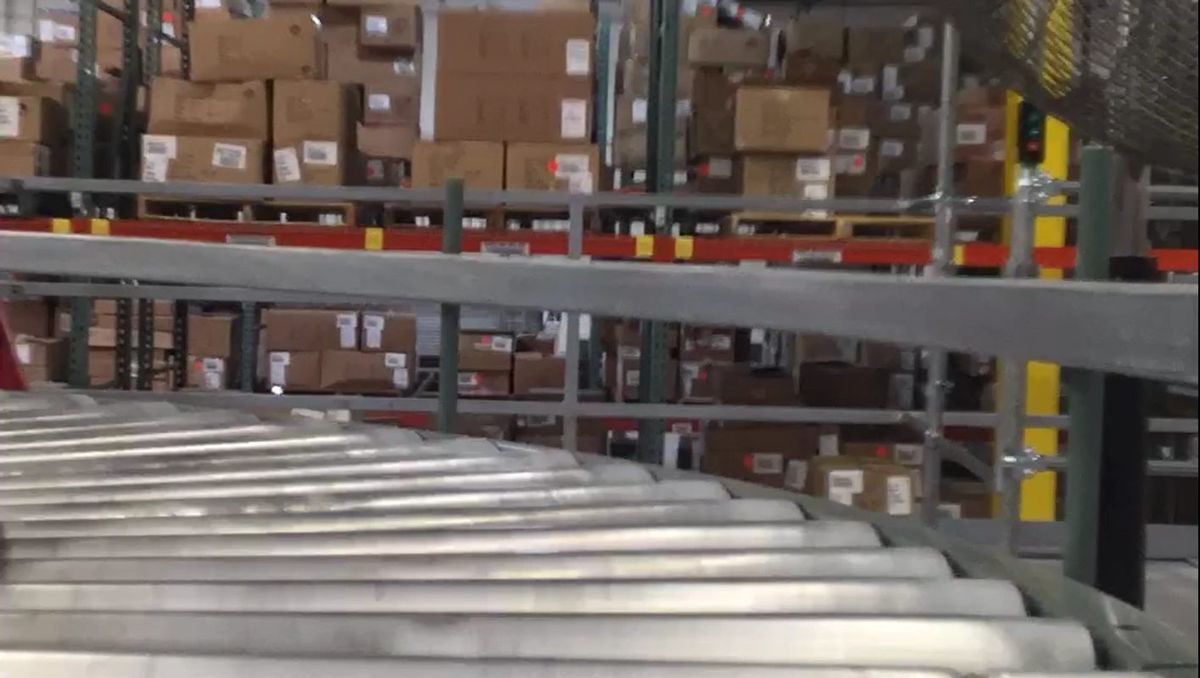
The move from higher density distribution operations aimed at filling customer DCs to lower density operations dealing with Direct-to-Consumer or emergency fulfillment has been hastened by the intrusion of COVID-19 into the supply chain. The move from high density to low density orders will happen anyway and has been happening for years.
More modern distribution businesses have a distinct advantage in this new world. Think of Amazon versus a typical manufacturer’s distribution operation. Amazon uses some cutting-edge tech in their model. But more importantly, their model is more geared toward low density picking and shipping.
As more traditional distributors struggle to adjust to this new normal, we often hear them talking about changes that just ease the pain a little. Or worse, we hear of changes that will deteriorate their position as a low-density distributor.
[If you are unfamiliar with the term “pick density”, it refers to the average number of pieces processed at each “get”. Where a DC ships only cases of 12, each pick is at least a 12 density. If 2 cases are picked, it is a density of 24. In a DTC setting, where units are sold as each, density can be as low as 1. The implication is that each pick, or get, takes almost the same resources and travel time, but rewards with only one unit of revenue. A DC can quickly chew through its capacity an yield much lower revenue if changes to the pick methodology are not made.]
The concern is multiplied as many distributors are inundated with DTC orders as consumers are staying away from stores. Add to that the impact of COVID-19 fear on the DC staff, with increased call-outs, and you have a recipe for ineffective operations at a time when operations need to be at peak.
We have found several short-term solutions for getting peak pick effectiveness out of a bogged down DC. While some seem counter-intuitive, changing to DTC is a big shift in approach. The most drastic change was for a large apparel distributor. As their model quickly changed to low density, we used a two-step picking process. While the perception of multiple touches created angst, the outcome was spectacular. Within two days, we were able to double the pick capacity using half as many pickers. Even with additional support for the area, the units per picker within 2 weeks were 3.5 times where we began. Additionally, inventory control was improved in an old WMS that had to be replaced.
Another short-term boost can be the inclusion of batch or bulk picks to a secondary area. This is similar to a two-step pick but involves only the picking crew. This method is simpler and easier than two step and has a bit less effect on throughput. But this method can get a DC through tough times.
In any event, we want to try and keep “social distancing” in our operation. Those DCs that can model their picks and simulate picker collisions or congregation can ensure that their employees aren’t in proximity to spread COVID-19 or the next pandemic infection. Even if you are working with an older WMS, there are opportunities to overlay those systems with software solutions that will mimic the functionality needed to prevent mass infection. Of note, though, is that sharing scanners is a bad practice without disinfection. Paper pick systems should be replaced for myriad reasons, infectious disease control being a final straw.
If you are facing the growing pressure of trying to continue distribution operations in a panicky world, we are here to help. Title 2 Business Services can model and simulate multiple approaches to solve your problem. Our track record is clear. Rethinking your distribution model and doing the right simulations can yield massive improvements in effectiveness and improve your cost position.
Call us to find out how we can help you prepare for the current situation and build a better distribution model for the new normal.