
We often see businesses looking to improve efficiency for a number of reasons. The biggest should be to make money. But often, we see that different levels of the business are seeking efficiency for different reasons, though they are wrapped up in the trimmings of making money.
It often stems from how metrics are driven or how they are defined. One example our group is intimately familiar with is L/U (labor hours per unit, or some derivative like units per manhour, man-minutes per unit, etc). We firmly believe that the number of labor hours per unit is a measure of process control and signifies not only increased labor and labor overhead hours, but costs in general. It costs to have people in the building!
But we also understand that there are times when L/U will increase and it is not necessarily a problem. Examples include seasonal business where there is a ramp-up or training period. Others include heavy vacation periods (skilled operators are on vacation and backups are just a little slower) and physical inventory counts (yep, we count PI labor in hours per unit).
One of the more controversial examples is that of reducing capacity by allowing efficiency to weigh too heavily on management decisions. It is the paradigm of efficiency versus incremental sales. We often see it as “no overtime” rules, mothballed equipment or not exploiting existing equipment. And yes, this may get a little “Theory of Constraints”.
When we see arbitrary “no overtime” rules, we have to ask “Why?”. Understood is that there is always that employee that wants to ride the clock. But if there is enough volume to operate 45 hours per week and your margins are normal, the increased labor cost is generally more than offset by overhead having been fully absorbed.
Often the answer to increased revenue is pulling older equipment out of storage to supplement a constraint area. Equipment that is less efficient than the replacement equipment, but again, incremental revenue is much higher margin.
We have seen operations where underutilized equipment sits idle while orders are turned down because a product is oversold. If, like some machining equipment, the equipment can be reprogrammed to make multiple parts, it is worth the analysis to see if using idle equipment for producing items with excess demand is worthwhile.
The major problem with these solutions is the hit on efficiency metrics. Yes, each solution will cost more per unit in variable costs. But if you are adding little-to-no overhead, you are getting a cost discount of whatever your overhead costs are before the change. If you have a 25% overhead rate, these incremental units are 25% cheaper than current production. Even if total cost is now the same, you will enjoy the same margins you do today on these additional units. It is cheap capacity, requires little to no capital expenditure and is flexible. You aren’t locking yourself into a new lease or additional headcount.
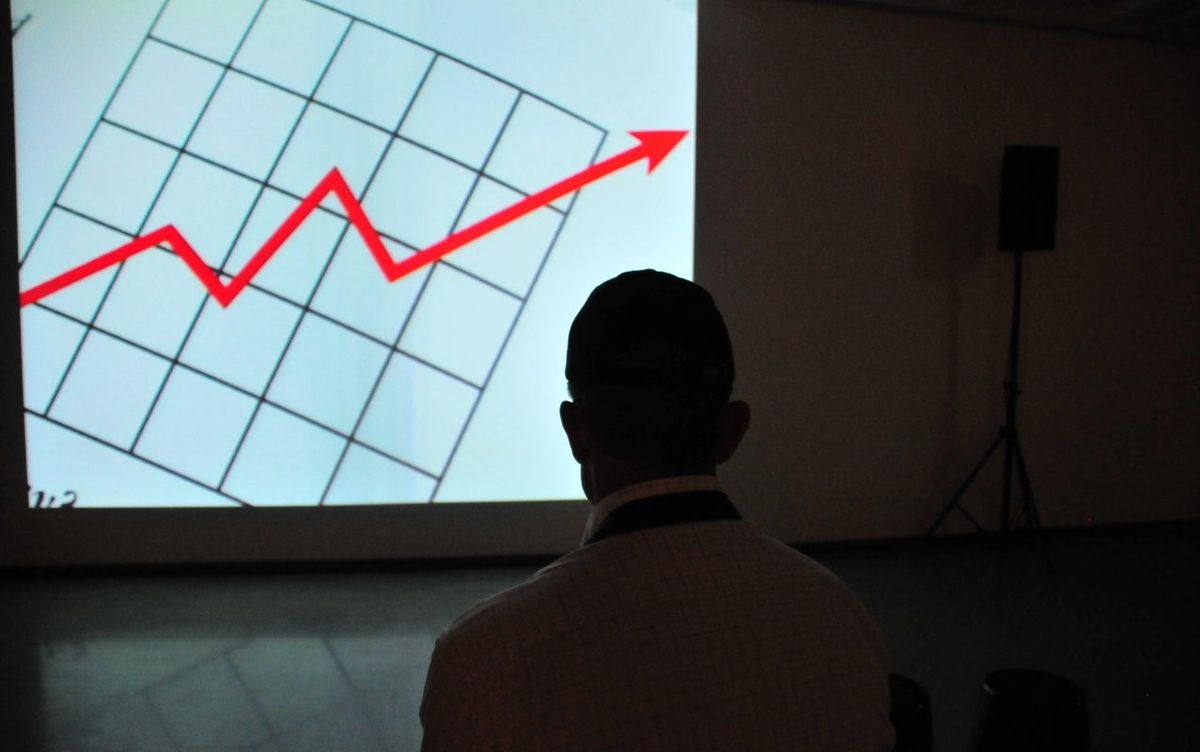
The major bite in this, your efficiency numbers probably will show a hit. Its not that you are less efficient. Your ROI will improve. Your margins will improve. Your fixed costs per unit will drop. Your EBITDA will grow. But reports will show L/U or UpMM or whatever falling slightly. And that’s because we make those numbers absolute. Our solution was to calculate a theoretical L/U target that earned efficiency target based on the setup at the time the measurement was taken. It showed what “perfect” utilization was based on the equipment we were using. Of course, we never really hit that number. But our worst days were far better than the old goal and experience.
Using this approach, we saw our labor utilization improve steadily over the first year. We saw costs in general plummet and our EBITDA move from worst in the company to best. But most importantly, we grew our capacity 400% in over year. That income funded several capital projects that allowed us to make the new capacity more efficient. But we only got there because we became more effective at using our assets and we started generating a lot of cash.
If you would like to hear more about how to look at efficiency differently, how to squeeze the most profit you can from existing equipment or how to model your business to take advantage of incremental revenue, give Title 2 Business Services a call. We would be glad to help. If interested, we can do a 2 day, no-fee assessment of your situation and give you a report of our findings and ways you can turn your business into a cash generator.